

Why Your Garage Door Opener Is Not Working and How to Fix It
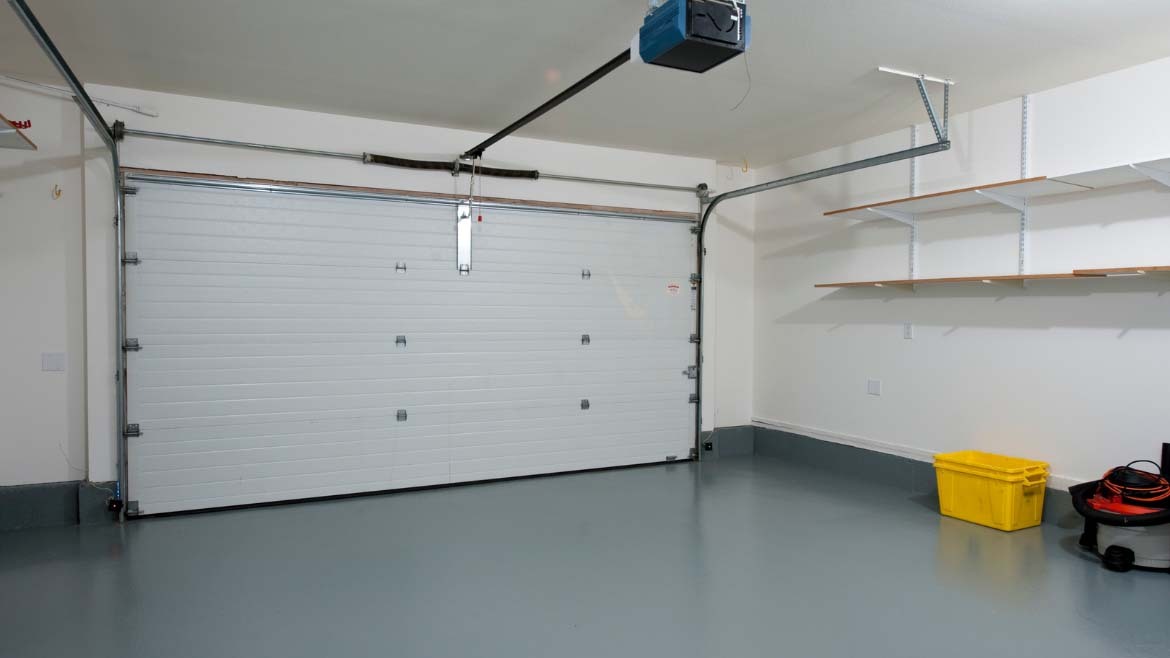
You press the remote button from inside your car, ready to head out for work, but nothing happens. The garage door remains completely still. Or maybe it starts moving down, hits a sudden phantom barrier, and immediately reverses back up.
This situation becomes even more frustrating when you’ve to go out urgently. You might wonder how to fix it quickly, what could be causing this issue, or if your door needs a replacement. Many common garage problems are caused by simple power issues, misaligned safety sensors, or minor mechanical problems that you may be able to fix yourself.
This blog breaks down why your garage door opener is not working, walks you through clear troubleshooting steps, and helps you identify when it is safer to call in an expert.
| Keep your garage door running safely, Call Now! |
Why Is My Garage Door Opener Not Working?
If your garage door opener suddenly stops working, don’t assume the opener itself is broken. The problem could be something else.
1. The opener has no power
Check that the opener is plugged in. Also, look at your circuit breaker and reset the outlet if needed. If the opener has no lights or sounds, start here.
2. The remote battery is dead
If the wall button opens the door but the remote doesn’t, replace the remote battery. You may also need to reprogram the remote.
3. The safety sensors are dirty or out of place
Check the two small sensors near the bottom of the door. Clean them and make sure they are facing each other. If something is blocking the sensors, the door may refuse to close.
4. Something is blocking the door
Look around the door and tracks for objects that could stop the door from moving. Also, make sure the manual lock isn’t engaged.
5. The garage door spring is broken
A broken spring can make the door too heavy for the opener to lift. If the door feels unusually heavy or you can see a broken spring, don’t try to fix it yourself. Call a professional for garage door repair.
6. The opener itself has a problem
If the motor runs but the door doesn’t move, or the opener makes strange noises, an internal part may be damaged. A professional can check whether you need garage door opener repair or a new opener.
How to Fix a Garage Door Opener: What Can You Safely Do Yourself?
If you’re comfortable with basic troubleshooting, there are several safe checks you can make before calling for help.
- Make sure the opener is plugged in and the outlet is working. Check the circuit breaker and reset a tripped GFCI outlet if necessary.
- Install a fresh battery and test the remote again.
- Firstly and most importantly, you must remove anything blocking the sensors and gently clean their lenses. Make sure both sensors are facing each other.
- Check the floor, tracks, and area around the door for anything that could interfere with movement.
- If the opener runs but the door doesn’t move, the trolley may have become disconnected. Check whether the emergency release has been pulled.
- Disconnect the opener and move the garage door by hand. If it’s difficult to move, don’t force it. The problem could be with the springs, cables, rollers, or other parts.
When Should You Call a Garage Door Professional?
You should stop troubleshooting and call a professional if you notice-
- The spring is broken or visibly damaged
- There is a loose or broken cable
- The garage door has come off its tracks
- It feels unusually heavy
- Your door moves crookedly, shakes, or jerks
- You notice loud grinding, scraping, or unusual noises from the door
- There’s a burning smell or signs of electrical damage
- The opener repeatedly stops or strains to move the door
A trained garage door technician can inspect the entire system, find the actual cause of the problem, and recommend whether you need garage door repair, garage door opener repair, or a replacement.
| Get Expert Garage Door Opener Repair – Call (916) 387-8664 |
Preventive Maintenance Tips to Avoid Future Opener Failure
Regular preventative care keeps your opener running quietly and extends the lifespan of your mechanical hardware.
| Task | Recommended Frequency | Recommended Products / Tools |
| Track & Roller Lube | Every 6 months | Synthetic garage door silicone spray |
| Balance Test | Every 6 months | Manual operation check |
| Hardware Inspection | Every 12 months | Socket wrench set |
A well-balanced system should stay parked at the midpoint on its own. If the door falls shut heavily or pulls upward rapidly, the spring tension is out of balance and putting excessive strain on your opener motor.
Avoid using regular WD-40 or heavy grease on garage door tracks and hinges. These products can attract dirt and dust, and often make the door harder to move. The better option is to use a garage door-specific silicone or lithium lubricant on the hinges, rollers, and other moving metal parts.
Common Questions About Garage Door Opener
1. Why does my garage door opener make a grinding noise, but the door will not open?
A grinding noise usually indicates a stripped plastic drive gear inside the main motor housing, or a completely worn-out drive belt/chain sprocket. When these teeth wear smooth, the motor shaft spins freely without driving the assembly. Continuing to run the motor in this state can overheat the unit. Having an experienced garage door repair technician inspect the drive housing prevents further electrical damage and gets the system operating smoothly again.
2. Why does my garage door opener work from the wall button, but not from my car remote?
When the wall button works but your car remote ignores you, it usually comes down to one of two quick fixes. First, check the remote battery, as those little coin-cell batteries can run out without warning. Second, stand right next to the motor unit inside the garage and try it again. If it works up close but not from your driveway, wireless signal interference could be the culprit. Nearby LED lightbulbs in the garage, old radio gear, or even thick walls can block the signal from reaching the overhead motor.
3. Why does my garage door opener stop working during freezing winter weather?
Winter weather creates a few main issues at once.
- Metal tracks shrink a little in the cold, and old grease thickens into a sticky paste. This makes the door so hard to move that the motor thinks it hit a wall and shuts off to stay safe.
- Cold air drains remote control batteries much faster than warm air.
- The rubber seal at the bottom of the door can actually freeze directly to a wet driveway.
Using a cold-rated synthetic spray lubricant keeps the moving parts sliding smoothly even during extreme temperature drops.
| Get your opener working like new, Contact Us Now! |
Takeaway
Not every garage door problem needs a new opener. Check the simple things first, but don’t try to fix springs, cables, or other dangerous parts yourself. If you can’t find the problem or the door still won’t work, a professional can find the cause and fix it safely.
Read More!
- The Benefits of Hiring Experts for Garage Door Opener Installation
- The Pros and Cons of Garage Doors With Windows: A Complete Guide for Homeowners
- How Often Should You Schedule Garage Door Maintenance?
- Why Garage Door Spring Maintenance Is Crucial for Safety
Contact Eudy Door Co. for Reliable Garage Door Opener Repair or Garage Door Service in Sacramento
Is your garage door opener giving you trouble, leaving your vehicle trapped or your home exposed? You’re in the right place!
At Eudy Door Co., we’re a fully licensed (#587706) & insured garage door company with over 40 years of experience handling garage door services and providing quality garage door products across Sacramento.
Our certified technicians take care of everything from garage door opener repairs and spring adjustments to complete garage door installation and custom part replacements.
Whether you need routine garage door maintenance or help choosing a quiet new opener, call us at (916) 387-8664 for a free estimate.

- Fiberglass Garage Doors vs. Steel: Which One Is Better for Your Garage? - September 29, 2026
- Is a 1/2 HP Garage Door Opener Enough? A Weight-and-Width Guide - August 31, 2026
- 7 Garage Door Styles by Home Architecture: Which One Actually Matches Your House - August 17, 2026